
New to the world of eSIMs and not sure exactly where to start? How does an eSIM work and how do you choose the right plan? This detailed guide answers all your questions and helps you get the most out of your first eSIM.
What is an eSIM?
Before we continue, an eSIM (Embedded SIM) is a SIM card integrated directly into your device. It does not require insertion or removal. An eSIM is remotely programmable, allowing you to activate a mobile plan without handling a physical card.
Thanks to this technology, you can:
- Avoid the hassle of buying and inserting a physical SIM card when you travel.
- Benefit from increased flexibility by easily switching between multiple plans.
- Enjoy better security, as an eSIM cannot be removed or lost.
SIM vs eSIM: What’s the Difference?
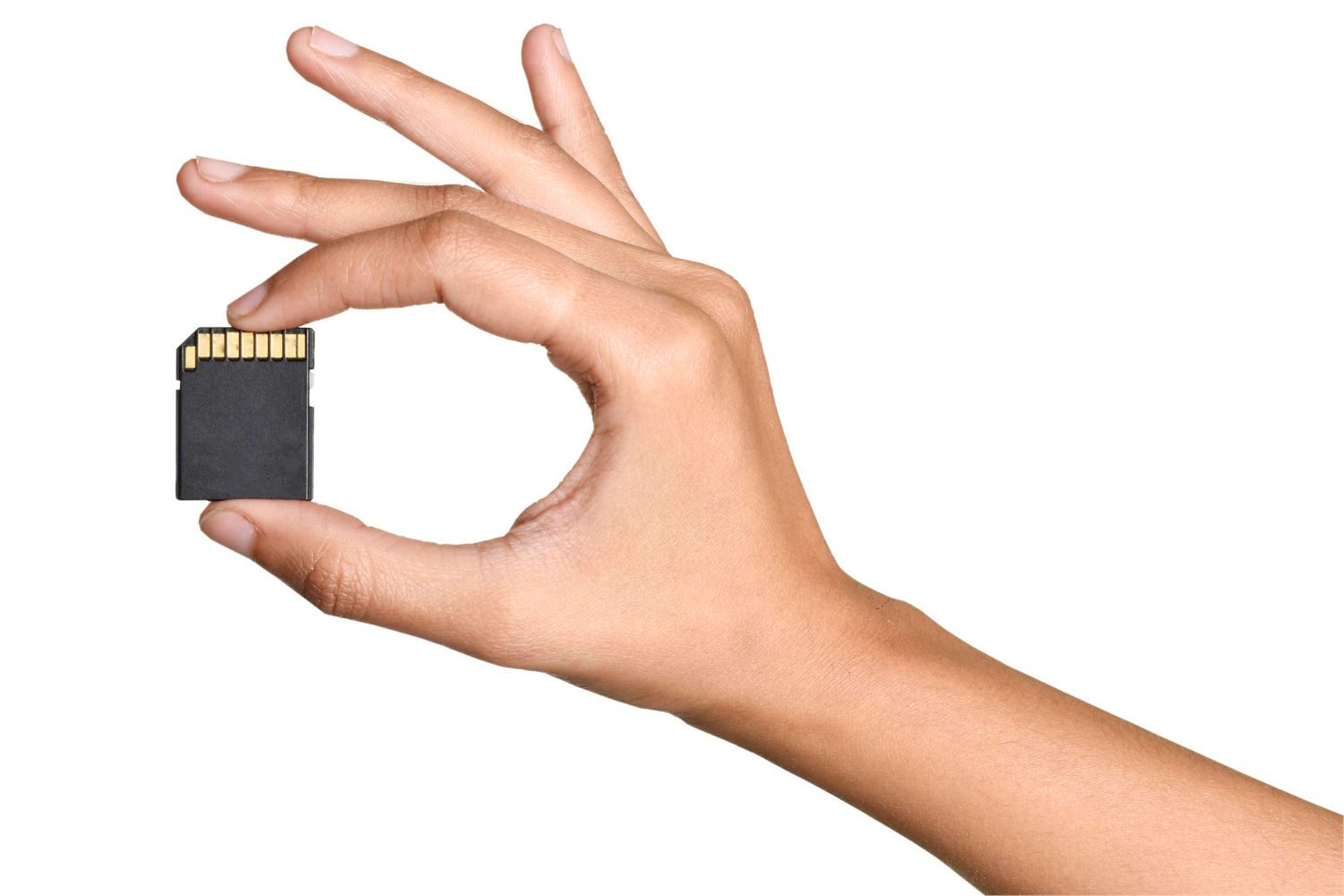
The main difference between a classic SIM card and an eSIM lies in its format and operation:
- Physical SIM: Removable card requiring manual handling to be inserted or replaced.
- eSIM: Integrated into the device and remotely programmable, eliminating the need for physical cards.
eSIMs make it possible to store several operator profiles on the same device, providing a fluid transition between different networks.
Will an eSIM work on my device?
To use an eSIM, your smartphone must be:
- eSIM compatible: Most recent models (iPhone, Samsung, Google Pixel, etc.) support this technology.
- Unlocked: An unlocked phone is not restricted to a single operator and can use an eSIM from any provider.
You can check your device’s compatibility by going to settings and looking for the Add an eSIM option or dial *#06# to see if an EID number appears.
How to choose an eSIM?
There are several types of eSIM plans adapted to different needs:
- National plans: Work only in a specific country.
- Regional plans: Valid in several countries in the same region (example: Europe plan).
- Global plans: Usable in several countries worldwide.
Make sure the plan’s coverage matches your destination before purchasing it.
Some eSIM terms you should know

- Data: Volume of data included in the plan (e.g., 5 GB, 10 GB).
- Validity: Duration of the plan’s use (e.g., 7 days, 30 days).
- Network: List of partner operators offering coverage.
- Activation policy: Some plans activate upon installation, others only upon connection to the network.
eKYC: Electronic Identity Verification
Some countries require electronic identity verification (eKYC) before authorizing the activation of an eSIM plan. This involves providing identity documents to validate your account. If your destination imposes this requirement, remember to complete this verification before your departure.
Recharge option
Many eSIM plans allow you to recharge your data without having to reinstall the eSIM. If your plan does not offer this option, you will need to purchase a new one upon expiration.
Frequently Asked Questions
How does a Vostra eSIM work?
When is the best time to install an eSIM?
When and how to activate an eSIM?
eSIMs have different activation policies, depending on the operator and the type of plan chosen:
- Immediate activation: Some eSIMs are activated as soon as they are installed on your device. They then start consuming their plan immediately.
- Activation upon connection: Other eSIMs only activate when they detect a mobile network in the area covered by the plan.
Make sure to check your eSIM’s activation policy before installing it.