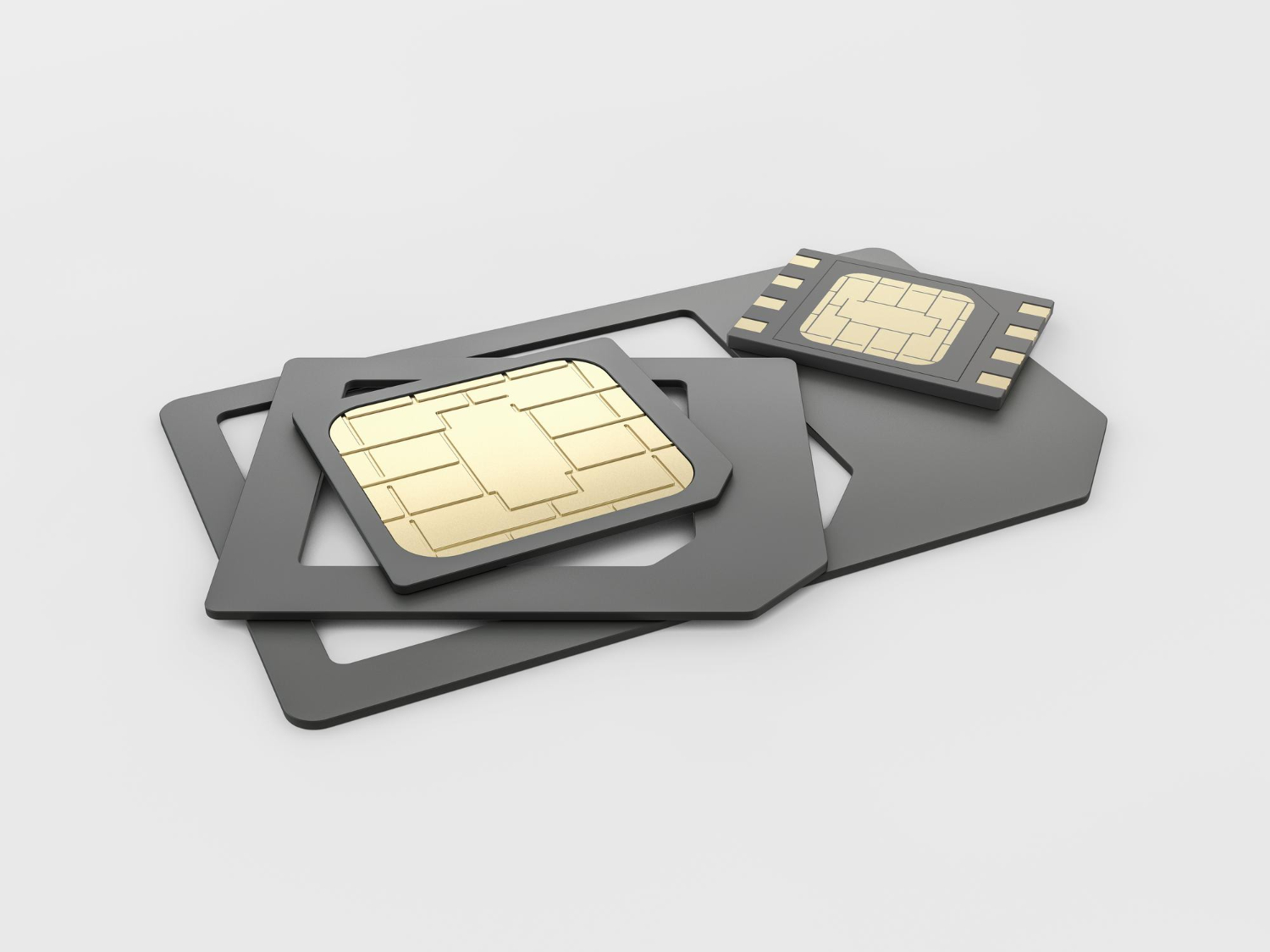
When you get a new phone, the first thing you think about is inserting a physical SIM card or transferring your current card to your new device. But with the evolution of mobile technologies, is this practice still relevant? eSIMs transform this experience by making it entirely digital. Unlike traditional SIM cards, an eSIM is integrated directly into your phone. It requires no physical insertion or replacement to change operators or activate a plan. In a few clicks, you can download a data plan, activate it, and be connected immediately. Will we gradually abandon physical SIM cards?
How are SIM and eSIM cards similar?
Whether it’s a physical SIM card or an eSIM, their main function remains the same: to allow your device to access the mobile network. Here are their main uses:
- Connecting to mobile networks to use cellular data.
- Accessing messaging and calling services.
- Identifying your device on your operator’s network.
In other words, a SIM card acts like a digital license plate, connecting your phone to the mobile network. However, the main difference lies in the format and flexibility of use. As an eSIM is entirely digital, it offers significant advantages over traditional SIM cards.
Dual SIM and multi-profile management
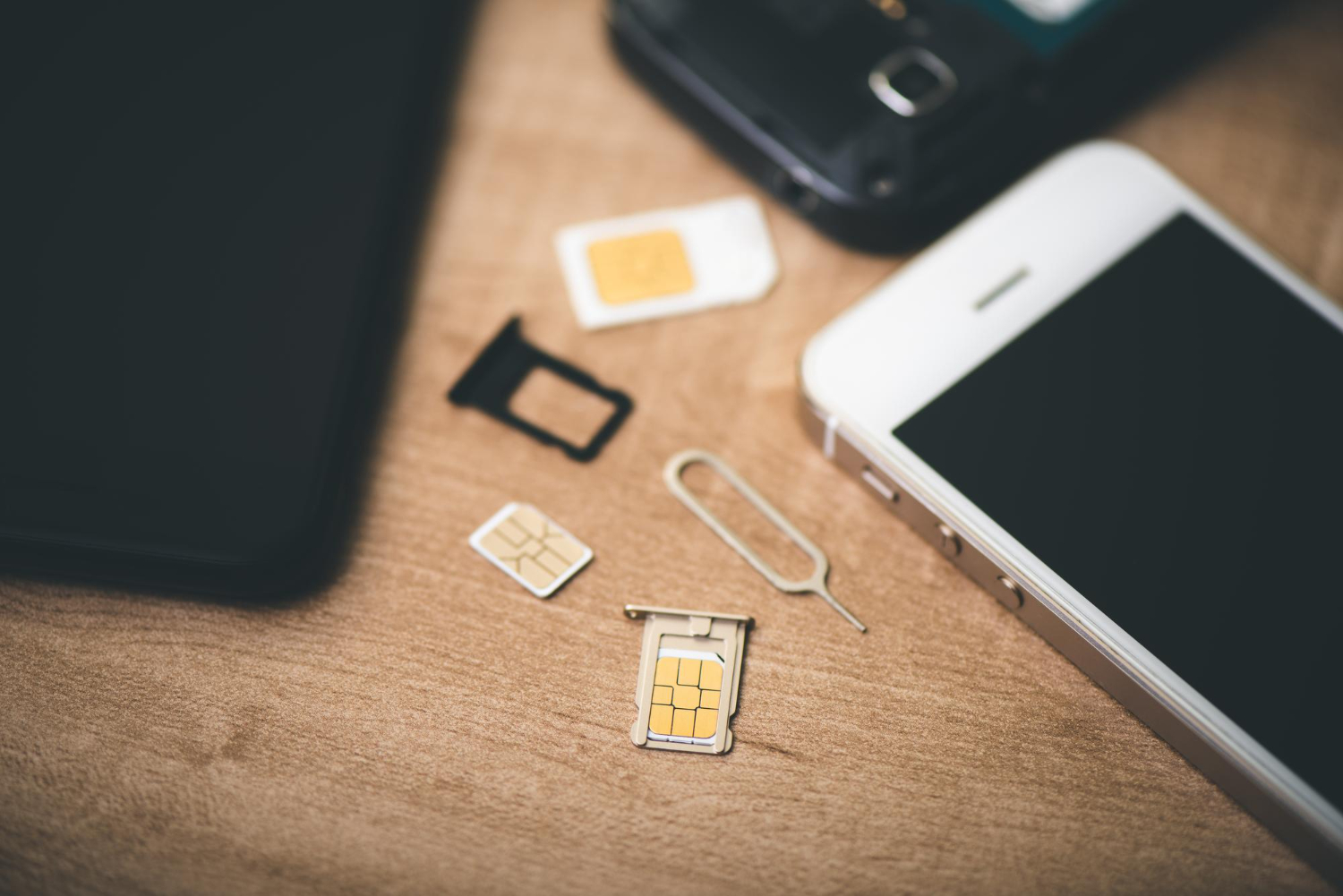
Many recent smartphones are compatible with Dual SIM functionality, allowing you to use a physical SIM card and an eSIM simultaneously, or even multiple eSIMs. Some practical uses of this technology 👇:
- Add a local plan for mobile data when you travel while keeping your main number.
- Use one plan dedicated to calls and another exclusively for internet browsing.
- Manage a personal line and a professional line on the same phone.
With an eSIM, there’s no need to juggle multiple physical cards or lose them. You can store multiple eSIM profiles and switch between them directly from your phone’s settings.
Is your phone eSIM compatible?
To use an eSIM, your device must be compatible and unlocked. Here are a few ways to check:
- Consult the list of eSIM-compatible devices.
- Check with your operator if your phone is unlocked.
- Go to your smartphone settings and search for « eSIM » or « digital SIM card. »
- Dial
*#06#on your phone and see if an EID number appears (which means your phone supports eSIM).
Why choose an eSIM?
1. Protection against physical damage
Since an eSIM is integrated into your phone, it is not at risk of breaking, scratching, or oxidizing like a traditional SIM card.
2. Enhanced security
Physical SIM cards can be stolen, cloned, or faked. An eSIM offers better protection against hacking and fraud.
3. Storage of multiple eSIM profiles
You can store multiple eSIM plans on your device and switch between them instantly, without having to insert or remove a physical card.
4. No more roaming fees
With Vostra, you can buy a local eSIM plan in over 200 countries and avoid excessive roaming fees.
5. Instant activation
No more waiting for a physical SIM card: the eSIM activates immediately after purchase by scanning a QR code.
Common problems with physical SIM cards
Physical SIM cards are exposed to several risks:
1. Water damage
Humidity, splashes, and immersion in water can corrode a SIM card’s connectors, rendering it unusable.
2. Heat sensitivity
Prolonged exposure to heat can damage a SIM card’s metal pins and cause malfunctions.
3. Shipping problems
SIM cards delivered by operators may be damaged during transport, which, of course, requires reshipment.
How to tell if your SIM card is faulty?
- Your phone struggles to pick up a mobile network
- SMS and calls don’t go through
- Your device continuously tries to search for a network without success.